Koriandri Explained: Meaning, Uses, Benefits, and Culinary Importance
Introduction
Koriandri is one of the most widely used herbs in the world, valued for its fresh aroma, distinctive taste, and versatility in cooking. Found in everyday meals as well as traditional recipes, koriandri plays an important role in global cuisines and cultural food practices. Beyond flavor, this herb is also appreciated for its nutritional value and long history of use.
This article provides a complete informational overview of koriandri, covering its origin, culinary uses, nutritional profile, cultural importance, and practical applications, written in a natural and professional human tone.
What Is Koriandri?
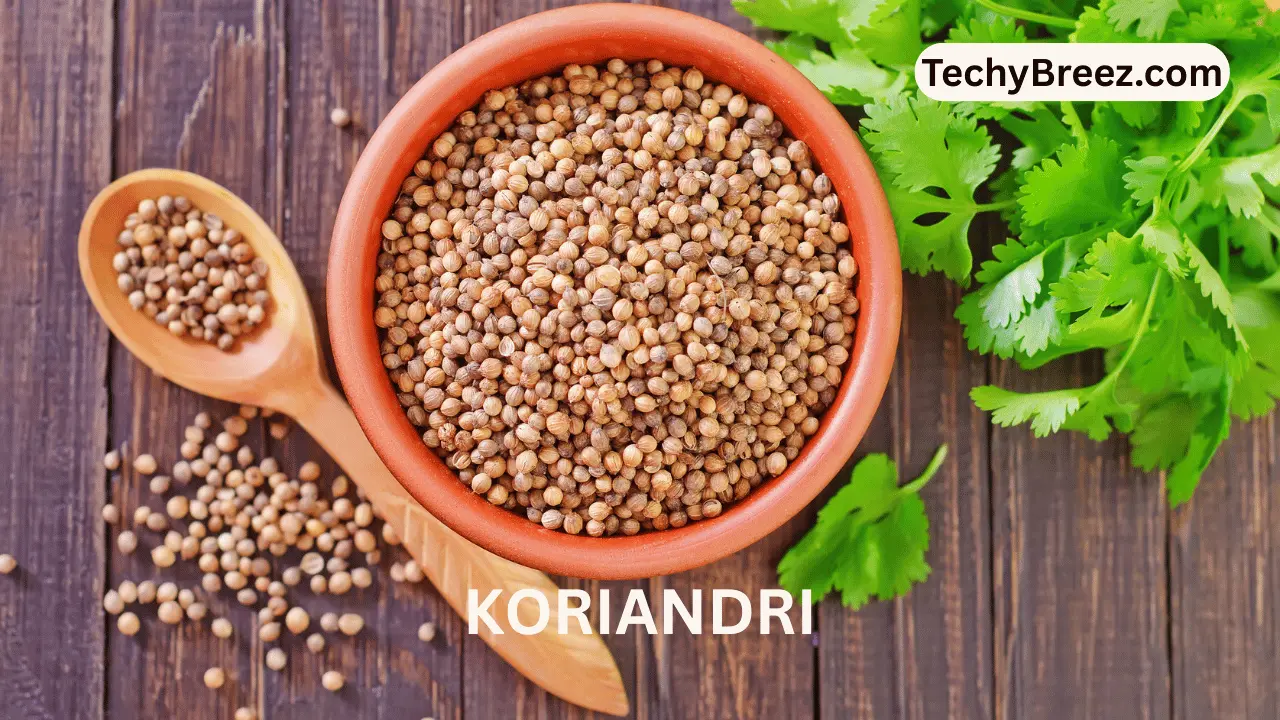
Koriandri is the common name used for the plant scientifically known as Coriandrum sativum. It belongs to the parsley family and is grown as an annual herb. One unique feature of koriandri is that both its leaves and seeds are used, but for different purposes.
Leaves and Seeds Explained
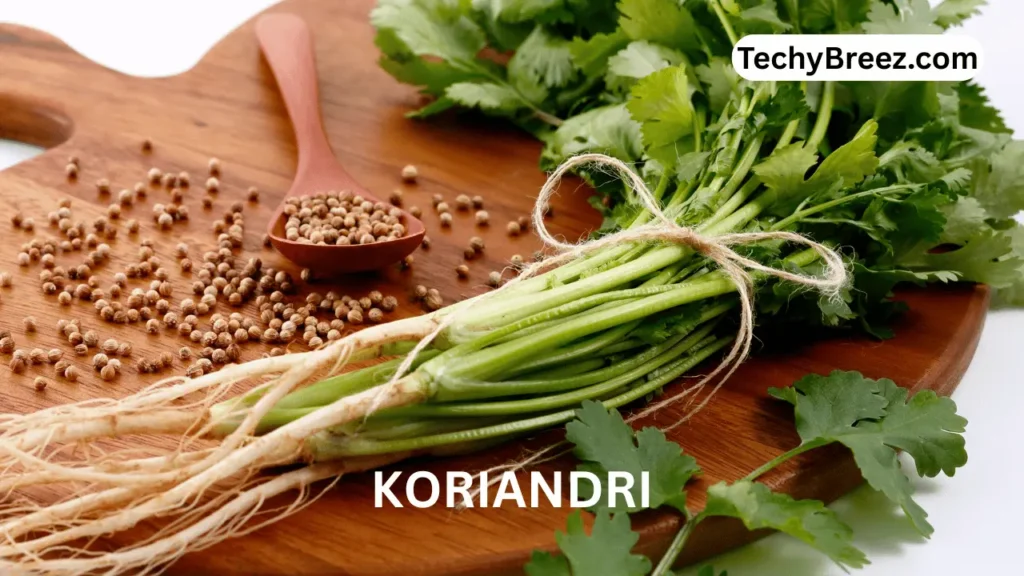
The green leaves of koriandri are soft, fragrant, and commonly used fresh. The seeds, which develop after the plant matures, are dried and used as a spice. Even though they come from the same plant, their flavor and usage are very different, making koriandri a highly versatile ingredient.
Historical Background of Koriandri
Koriandri has a long and well-documented history. It has been used for thousands of years in various civilizations. Ancient cultures valued it for cooking, preservation, and traditional practices.
Ancient Civilizations and Trade
Historical records show that koriandri was known to ancient Egyptians, Greeks, and Romans. It traveled across regions through trade routes and gradually became part of everyday cooking in Asia, the Middle East, and Europe. Its ability to adapt to different climates helped spread its use across the world.
Culinary Uses of Koriandri
One of the main reasons koriandri remains popular today is its wide culinary application. It is used in both simple home cooking and complex traditional dishes.
Use of Fresh Koriandri Leaves
Fresh koriandri leaves are commonly used as a garnish and flavor enhancer. They are added to curries, rice dishes, soups, salads, sauces, and chutneys. The leaves provide a fresh and slightly citrus-like taste that balances rich or spicy foods.
Use of Koriandri Seeds in Cooking
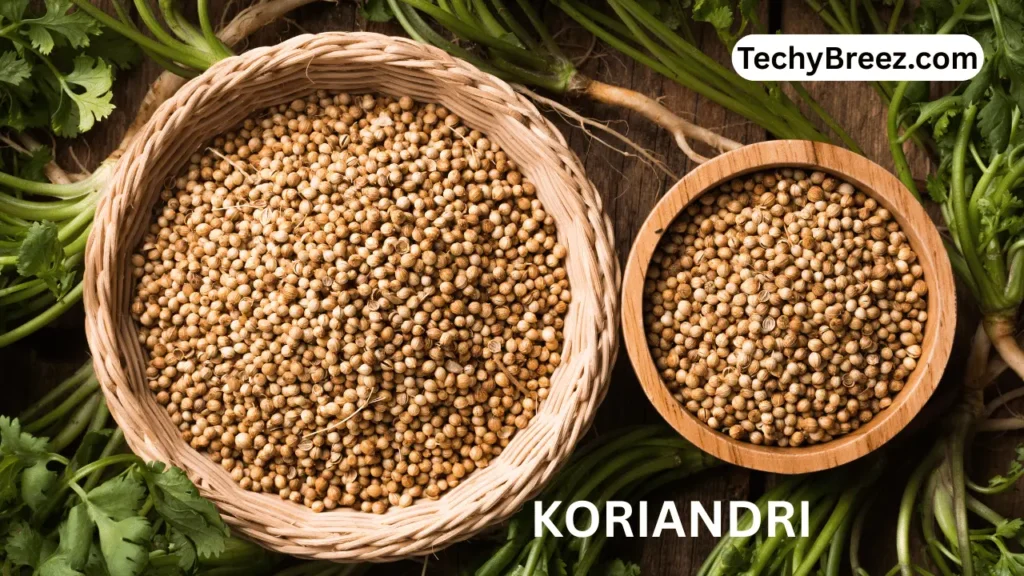
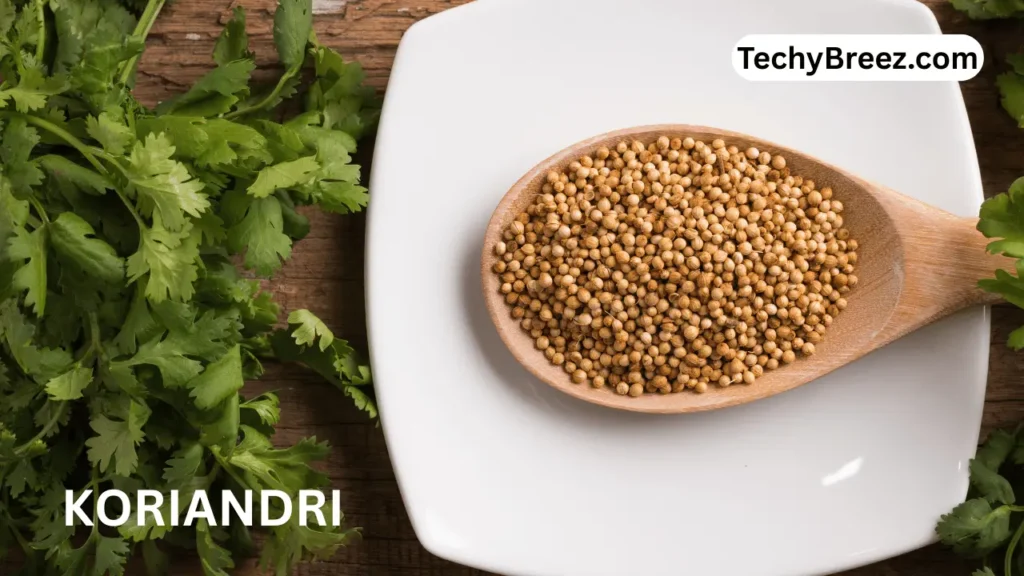
Koriandri seeds are used whole or ground into powder. They have a warm, mild, and slightly nutty flavor. These seeds are often included in spice mixes, pickles, baked goods, and slow-cooked meals. Roasting the seeds lightly enhances their aroma and depth of flavor.
Nutritional Profile of Koriandri
Koriandri is not only valued for taste but also for its nutritional contribution.
Vitamins and Minerals
Fresh koriandri leaves contain vitamins such as vitamin A, vitamin C, and vitamin K. These nutrients support normal body functions and overall wellness. The seeds provide minerals including calcium, iron, and magnesium, along with dietary fiber.
Antioxidant Properties
Koriandri contains natural compounds that help protect food quality and contribute to a balanced diet. While it is used in small quantities, regular inclusion can add nutritional variety to meals.
Traditional and Modern Uses of Koriandri
For generations, koriandri has been included in traditional household practices, especially related to food preparation and digestion.
Traditional Household Use
In many cultures, koriandri is used in homemade preparations to support digestion after heavy meals. It is often included in teas, broths, or spice blends prepared at home.
Modern-Day Relevance
Today, koriandri is widely used in modern kitchens due to its fresh flavor and health-conscious appeal. It fits well into vegetarian, plant-based, and balanced diets, making it a popular choice among health-aware consumers.
Cultural Importance of Koriandri
Koriandri holds cultural value beyond its culinary role. In many regions, it is considered a symbol of freshness and completeness in food.

Role in Traditional Cuisines
In South Asian cooking, koriandri is almost always present in daily meals. In Middle Eastern and Latin American cuisines, it forms the base of many sauces and garnishes. Its presence often reflects authenticity and traditional taste.
Interesting Facts About Koriandri
Koriandri has several unique characteristics that make it stand out among herbs.
Taste Perception Difference
Some people experience a soapy or unpleasant taste when consuming fresh koriandri leaves. This difference is due to genetic factors and is completely natural.
Versatility of One Plant
Very few herbs offer both leaves and seeds with entirely different flavors. This quality makes koriandri especially valuable in cooking across cultures.
Growing and Storing Koriandri
Koriandri is easy to grow and store, which adds to its popularity.
How to Grow Koriandri
It grows well in moderate sunlight and well-drained soil. The leaves can be harvested within a few weeks, making it suitable for home gardens and pots.
Storage Tips
Fresh koriandri should be stored in a cool place to maintain freshness. Dried seeds should be kept in airtight containers to preserve their aroma and flavor.
Why Koriandri Remains Popular Worldwide
Despite changing food trends, koriandri continues to be widely used because it enhances flavor naturally, blends well with other ingredients, and fits into many cooking styles. Its affordability, accessibility, and cultural relevance ensure its continued importance in kitchens around the world.
Frequently Asked Questions (FAQs)
1. What is koriandri mainly used for?
Koriandri is mainly used to add flavor and freshness to food, using both its leaves and seeds.
2. Are koriandri leaves and seeds the same?
They come from the same plant but have different tastes and culinary uses.
3. Why do some people dislike koriandri?
This is due to genetic taste sensitivity, which can make the leaves taste unpleasant to some individuals.
4. Is koriandri suitable for daily cooking?
Yes, koriandri is commonly used in daily meals across many cultures.
5. Can koriandri be grown at home?
Yes, koriandri is easy to grow at home with basic care.