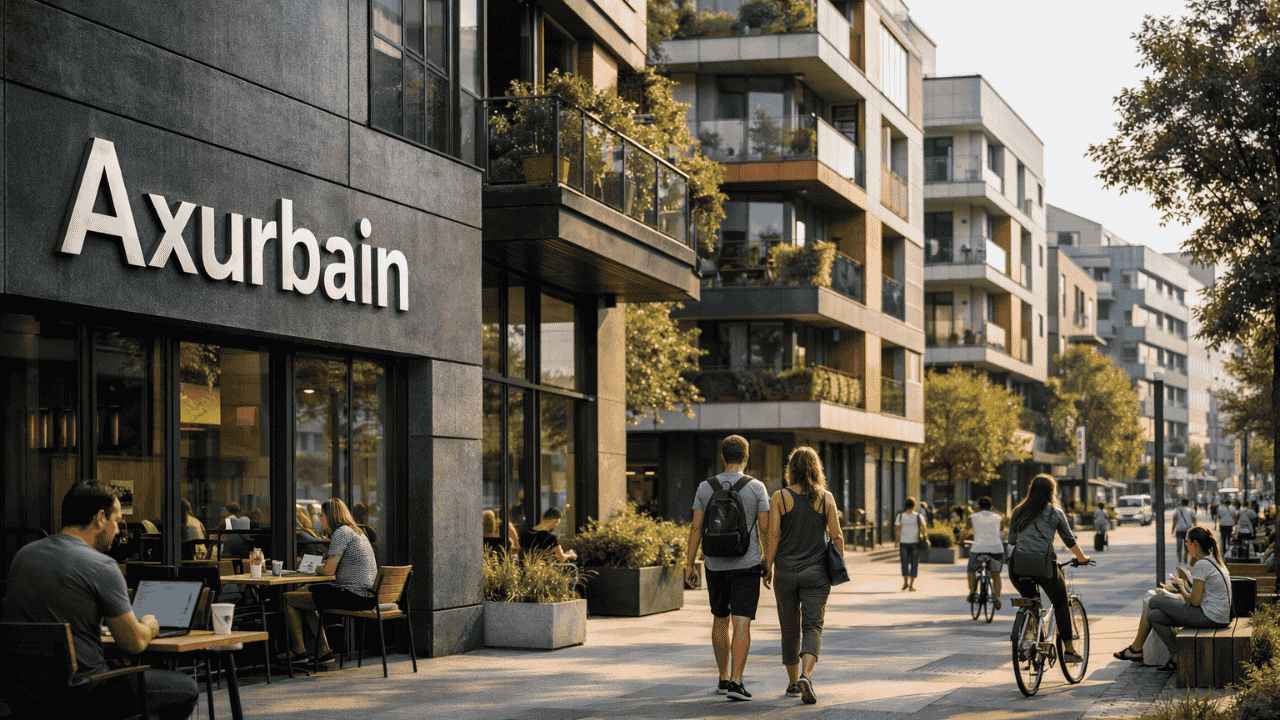
Axurbain and the Real Conversation Around Modern Urban Living
Axurbain doesn’t waste time flattering readers or hiding behind theory. It sits in the uncomfortable middle ground between how cities are marketed and how they actually function. That tension is what gives the platform weight. Anyone who spends time with Axurbain content quickly notices a refusal to romanticize urban life while still arguing that cities, when designed and lived in well, remain the most powerful human inventions we have.
This isn’t lifestyle gloss. It’s closer to a working notebook for people who care about how streets, buildings, and daily routines collide.
Why Axurbain Focuses on the bCity as a Lived System
Most urban content fails because it treats cities as objects. Skylines, master plans, renderings. Axurbain approaches cities as systems under stress. Housing pressure. Aging infrastructure. Climate demands. Cultural shifts. These aren’t abstract forces; they show up in the way apartments are renovated, how public space is reclaimed, and why certain neighborhoods thrive while others hollow out.
Axurbain consistently frames design choices as political and social acts, whether intentional or not. A bike lane changes who feels welcome on a street. A renovation trend can accelerate displacement. A zoning rule quietly reshapes family life for decades. The platform doesn’t pretend neutrality here, and that’s a strength.
Instead of chasing novelty, Axurbain keeps circling back to consequences. Who benefits. Who adapts. Who gets pushed out.
Architecture Without the Ego
One of the more grounded aspects of Axurbain is its treatment of architecture. The content rarely worships landmark buildings or celebrity designers. It spends more time on adaptive reuse, small-scale interventions, and the tension between preservation and progress.
This perspective matters because most people don’t live in icons. They live in altered apartments, repurposed warehouses, and buildings that have outlived their original purpose. Axurbain highlights how thoughtful changes to ordinary structures often do more for urban quality than flashy new builds.
There’s also a consistent skepticism toward architecture that ignores daily life. If a space photographs well but fails its residents, Axurbain isn’t interested. That editorial instinct filters everything else the platform publishes.
Sustainability Treated as Constraint, Not Decoration
Sustainability coverage often collapses into slogans. Axurbain avoids that by treating environmental limits as design constraints rather than branding opportunities. Energy efficiency, material reuse, density, and mobility choices are discussed in terms of trade-offs, not perfection.
Axurbain regularly highlights projects and ideas that accept compromise. Retrofitting an existing building instead of demolishing it. Designing smaller living spaces that still feel humane. Prioritizing walkability even when it disrupts car-centric habits.
This approach resonates because it reflects how cities actually change: incrementally, imperfectly, and under pressure. Axurbain doesn’t sell a clean future. It documents the messy work required to get closer to one.
Interior Design as Urban Behavior
Interior design coverage on Axurbain isn’t about trends or shopping lists. It treats interiors as extensions of urban behavior. How people work from small apartments. How flexible spaces support shifting family structures. Why storage, light, and sound control matter more in dense environments.
This lens turns design inward without losing sight of the city outside the window. Axurbain repeatedly connects private choices to public outcomes. A home office changes commuting patterns. A shared courtyard reshapes social ties. Even furniture layout becomes part of a larger urban story.
By grounding interior decisions in real constraints, Axurbain avoids aspirational fantasy. The spaces feel lived-in because they are framed that way.
Who Actually Reads Axurbain
Axurbain attracts readers who already sense that cities are at a breaking point but don’t want simplistic answers. Architects and planners are part of the audience, but so are renters, renovators, students, and people trying to make sense of why their city feels different than it did five years ago.
The platform doesn’t talk down or over-explain. That filters out casual skimmers and keeps a more serious readership engaged. Axurbain assumes readers can handle complexity and contradiction. That assumption shapes the tone and keeps the content sharp.
Read More Article: Ksözcü
Urban Media That Refuses to Be Neutral
One of the defining traits of Axurbain is its editorial stance. It doesn’t pretend every urban idea deserves equal respect. Car-dominated planning gets criticized. Empty luxury developments are called out. Token green gestures are treated with suspicion.
This refusal to flatten arguments gives Axurbain credibility. Cities are political spaces whether designers admit it or not. Axurbain acknowledges that reality and builds its content around it.
The result is writing that feels opinionated without becoming ideological. The platform critiques outcomes rather than preaching doctrine, which makes its arguments harder to dismiss.
Why Axurbain Matters More Than Trend-Driven Urban Blogs
Trend-driven urban blogs burn out quickly because cities don’t move at trend speed. Axurbain understands this. Its content ages better because it focuses on forces rather than fads. Housing supply. Infrastructure decay. Climate adaptation. Cultural identity.
Axurbain doesn’t chase novelty for its own sake. It returns to the same questions from different angles, tracking how constraints tighten and responses evolve. That repetition isn’t padding; it’s how real urban understanding forms.
Readers come back because the platform feels like an ongoing conversation, not a feed to scroll past.
The Quiet Discipline Behind Axurbain’s Content
There’s an editorial discipline running through Axurbain that’s easy to miss. Articles stay grounded in specific places, situations, and decisions. Abstract language gets cut. Visuals support ideas instead of replacing them.
This restraint gives Axurbain its authority. The platform doesn’t try to impress. It tries to be useful. That choice separates it from louder voices in urban media.
Axurbain as a Signal of Where Urban Thinking Is Headed
Axurbain reflects a broader shift in how people engage with cities. Less spectacle. More scrutiny. Less faith in grand solutions. More attention to daily systems that quietly shape life.
That shift doesn’t make cities less exciting. It makes them more honest. Axurbain thrives in that honesty, documenting the friction between ideals and realities without flinching.
The platform isn’t optimistic or cynical. It’s alert.
Final Takeaway
Axurbain succeeds because it treats cities as lived environments instead of design showcases. It respects the reader’s intelligence, confronts uncomfortable trade-offs, and refuses to turn urban life into a marketing exercise. If more urban media adopted that posture, the conversation around cities would stop circling fantasies and start dealing with consequences.
Cities don’t need cheerleaders. They need clear-eyed observers. Axurbain has chosen that role and stuck with it.
FAQs
What kind of reader gets the most value from Axurbain content?
People already engaged with urban life, whether through work or daily experience, tend to connect most strongly with Axurbain’s perspective.
Does Axurbain focus more on theory or real-world situations?
Real-world situations dominate. Concepts only appear when they help explain actual decisions, spaces, or outcomes.
How does Axurbain differ from architecture magazines?
Axurbain prioritizes lived experience and consequences over visual prestige and professional acclaim.
Is Axurbain useful for someone outside design or planning fields?
Yes, especially for readers trying to understand why their city is changing and how those changes affect daily life.
What keeps Axurbain relevant over time?
Its focus on long-term pressures and constraints rather than short-lived trends gives the content staying power.