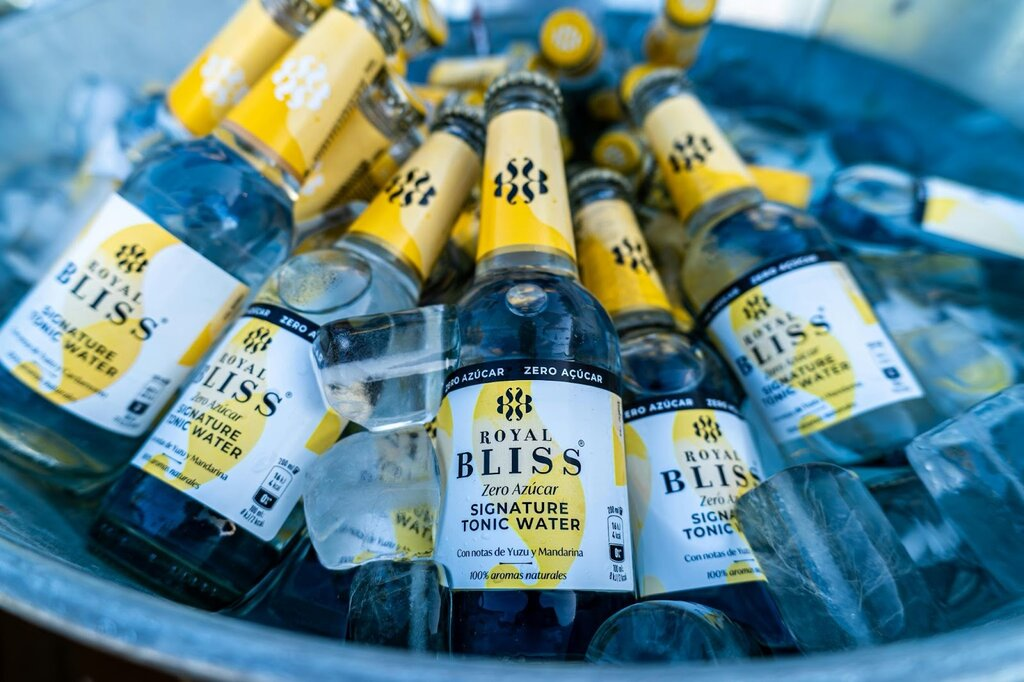
How Transparency in Ingredients Is Shaping Beverage Choices
In today’s world, knowing what’s inside the things we consume has become more important than ever. When it comes to beverages, people want to be sure about what they’re drinking. Transparency in ingredients isn’t just a buzzword—it’s changing the way we pick our drinks. From clear labels to honest marketing, customers now expect brands to be open and honest. This shift helps us make smarter, healthier choices and builds trust between us and the companies we buy from. Let’s explore how this focus on ingredient transparency is shaping what ends up in our cups.
Transparency Has Moved From Nice to Have to Deal-Breaker
Here’s the thing: understanding why transparency matters is useful. But seeing how it’s already changed your shopping patterns—and forced the entire industry to pivot—shows you just how deep this shift runs.
Ingredients Come First Now (Then Everything Else)
The old playbook? Flavor first, then price, maybe a quick glance at the label. That’s dead. Today’s shoppers check what’s inside before anything else. You’re probably doing it yourself: scanning QR codes, hunting for minimal ingredient counts, comparing brands while still standing in the aisle. Function comes next—does this drink deliver on its promise? Only then do taste and cost enter the chat.
Quick test before you buy: Can you say most of those ingredient names out loud without stumbling? Is the whole list under ten items? Does the company tell you where things come from or show test results? If your aim is clean hydration, then knowing what’s in the bottle matters just as much as how it tastes.
What Shoppers Actually Trust (Both On the Bottle and Online)
Once you know ingredients lead to the decision, the next puzzle is this: which specific details—printed or digital—prove a brand isn’t just talking a good game?
Bold front-label promises catch your eye. But it’s the boring back-label detail that closes the sale. Nearly two-thirds of people say they’ll switch brands for better ingredient visibility. So what should you look for? Complete ingredient breakdowns. Clear sourcing details. Outside lab test results. Legit certifications. QR links that actually go somewhere useful. These elements separate genuine openness from slick marketing speak.
Which Drink Categories Are Changing Fastest
These trust markers don’t show up evenly. Some beverage types are reformulating at lightning speed, while others barely budge.
Energy and functional drinks? Fastest movers, because people demand to know exactly which stimulants and extras they’re downing. Sports drinks aren’t far behind—electrolyte sources and sweetener types get serious scrutiny now. Red flags worth noting: mysterious proprietary blends, caffeine sources they won’t name, and ingredient lists that feel like a chemistry exam.
What Clean Label Actually Means (Versus What They Want You to Think)
Knowing that transparency drives sales is half the battle. The other half? Learning to spot the difference between genuine simplicity and marketing magic tricks.
Real Clean Label Signals That Usually Mean Something
Even with solid clean label clues in hand, you still need to tell the difference between actual ingredient honesty and the vague health promises brands paste on the front.
Hunt for these: ingredient counts under eight. Stuff you’d recognize from your kitchen. Processing cues like cold-pressed or unpasteurized that suggest minimal interference. Want a fast comparison? Count ingredients, check the sweetener, scan for synthetic add-ins. Thirty seconds, tops. Shorter and simpler typically wins.
Transparency vs. The Health Halo Trap
Stripping away the halo effect reveals yet another wrinkle: even the phrase natural ingredients hides more than you’d expect.Be skeptical of vague language. Natural flavors could be almost anything. Proprietary blend conceals how much of what. Detox has no legal definition. Immunity support rarely has proof. Try this checklist: Does the bold front claim match what’s listed on the back? Are actual amounts shown? Is there outside verification? If not, walk.
Natural Ingredients Drinks Aren’t Always Simple
Now that you can read clean label signals, it’s time to build the practical skill that makes it count: reading any beverage ingredient list quickly and with confidence.Natural and simple aren’t synonyms. Processing helpers, flavor extraction tricks, and carrier systems can muddy what looks straightforward. Ask the brand: What’s hiding in natural flavor? Are processing agents disclosed? Where do these botanicals originate? Trustworthy answers include specifics and backup documentation.
The 60-Second System for Reading Any Beverage Label
Once you understand ingredient structure, the most debated category—sugar and its alternatives—becomes way easier to assess and compare.
The Parts Brands Hope You’ll Skip (Ingredient Order, Sub-Lists, Grouping Games)
Ingredients show up by weight, heaviest first. That’s the rule. Sub-ingredients—like what makes up natural flavor—should appear in parentheses, though they don’t always. Sometimes brands split similar ingredients to bury the less appealing ones lower on the list.Your quick routine: Check the first three ingredients (they’re the bulk of what you’re drinking), hunt for sweeteners and additives, look for sub-ingredient disclosures, flag anything you don’t recognize for a quick search later.
Making Sense of Sugar and Sweetener Options
Beyond the sweet factor, the next layer—acids, flavors, colors, preservatives, stabilizers—affects both taste and how long that bottle lasts, each with its own transparency angle.Cane sugar and fruit concentrates bring calories and spike blood sugar. Honey and agave sound wholesome but they’re still sugar.
Stevia and monk fruit deliver zero calories with some aftertaste. Sugar alcohols can mess with digestion. Sucralose, aspartame, acesulfame K—artificial and polarizing. Pick what fits your taste and health priorities.
Acids, Flavors, Colors, Preservatives, Stabilizers—Why They’re There and What They Cost You
Additives handle flavor and freshness, but hydration-specific ingredients like sodium and electrolytes need a different lens—one tied to what your body actually needs.Citric acid tweaks pH and adds tang. Natural flavors boost taste without specifics. Natural colors (beta-carotene, for instance) replace synthetic dyes. Preservatives like potassium sorbate keep things fresh longer. When to skip: if you’re sensitive or want minimal processing. When acceptable: ready-to-drink formats where shelf life matters.
Sodium, Electrolytes, Hydration Promises (Finding Formulas That Actually Work)
Traditional label reading still matters, but a new wave of transparency tech—QR traceability, third-party testing platforms—is pushing what’s in my drink expectations to levels we’ve never seen before.For workouts, aim for 300–500mg sodium with balanced potassium and magnesium. Casual sipping? Under 100mg sodium per serving is plenty. Hydration basics: sodium helps retain fluid, potassium supports muscles, magnesium aids recovery. Real formulas show exact milligrams, not just electrolytes.
Final Thoughts on Ingredient Transparency
You’ve now got what you need to slice through marketing fluff and choose beverages that match your actual health goals. Ingredient transparency isn’t fading—it’s reshaping what brands make and how you shop. By mastering label reading, spotting trust signals, and asking tough questions, you’re taking ownership of what’s in my drink choices. Whether you’re choosing natural ingredients drinks or weighing clean label beverages, clarity beats clever wordplay every single time. The brands that respect your right to know will earn your trust—and your dollars.
Your Questions About Ingredient Transparency Answered
How can transparency in labeling benefit both manufacturers and consumers?
Transparency reporting occurs when manufacturers disclose what is in their products, including chemical identities, down to very specific detail. Manufacturers who do transparency reporting benefit from fewer customer requests, increased customer confidence, reduced regulatory risk and, in most cases, safer products.
What does ingredient transparency mean in beverages, and how is it different from clean labels?
Ingredient transparency means full disclosure of what’s in the drink, including sources and amounts. Clean label refers to simpler formulas with recognizable ingredients. Transparency is about honesty; clean labels are about simplicity. Both matter, but they’re not identical.
Are natural flavors always unhealthy or unsafe in natural ingredients drinks?
Not necessarily. Natural flavors are derived from real sources but can include dozens of compounds. They’re generally safe but lack specificity. If transparency matters to you, ask brands for breakdowns or choose products listing actual flavor sources like lemon oil instead.